
Resources & Support

Peer Groups
We offer four Peer Groups: Early Years (0-7), Elementary (8-12), High School (13-19) and Graduate (20+). Led by parent volunteers, each group hosts monthly events, programs and workshops where members connect, build friendships and navigate life's transitions together.
To stay connected and receive updates about your Peer Group, subscribe to our newsletter.
Parent Community
Local Halton parents started this private Facebook group as a place to ask questions, share experiences, swap tips and connect with others who understand. Many families have found it helpful and supportive.
The group is run by parents and is independent of the HDSA.
To connect with other local parents and families, request to join the Facebook group.
Family Social Events
Throughout the year, we host social events that bring families together and build a sense of community for our members and their children. These gatherings are a chance for families to meet others across Halton and form lasting friendships.
To receive invitations to these events, become an HDSA member and join our mailing list.
Babies with
Down Syndrome
Raising a child with Down syndrome can present a huge learning curve for parents. The Canadian Down Syndrome Society and Halton Down Syndrome Association have created a New Parent Package to help parents get their bearings on this new road. Please contact office@haltondownsyndrome.com if you would like to receive a package.
Other Resources
It can be extremely overwhelming searching online for information about babies with Down syndrome. We, therefore, recommend this list of resources to help get you started on your research:
The Canadian Down Syndrome Society has published a wonderful booklet called Breastfeeding a Baby with Down Syndrome. Download the PDF from their website or contact us or visit the CDSS website for more information for New Parents.
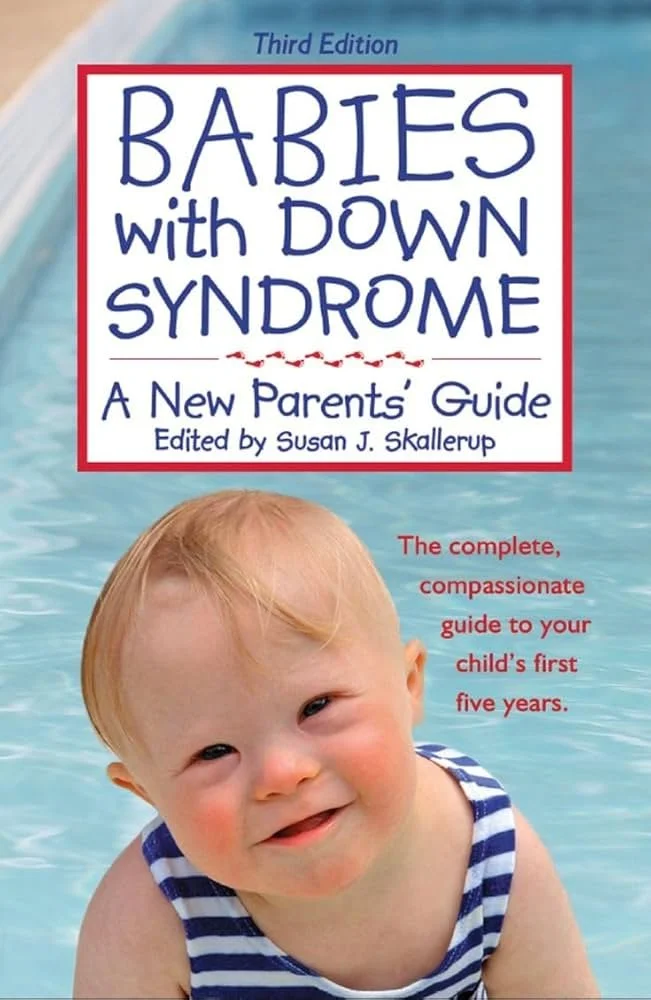
Babies with Down Syndrome:
A New Parent's Guide
Published in 2008, Babies with Down Syndrome: A New Parent's Guide is a great start when learning about your child’s diagnosis. Find it in our Halton libraries or contact us to pick up a copy: Burlington Public Library, Halton Hills Public Library, Milton Public Library, Oakville Public Library.
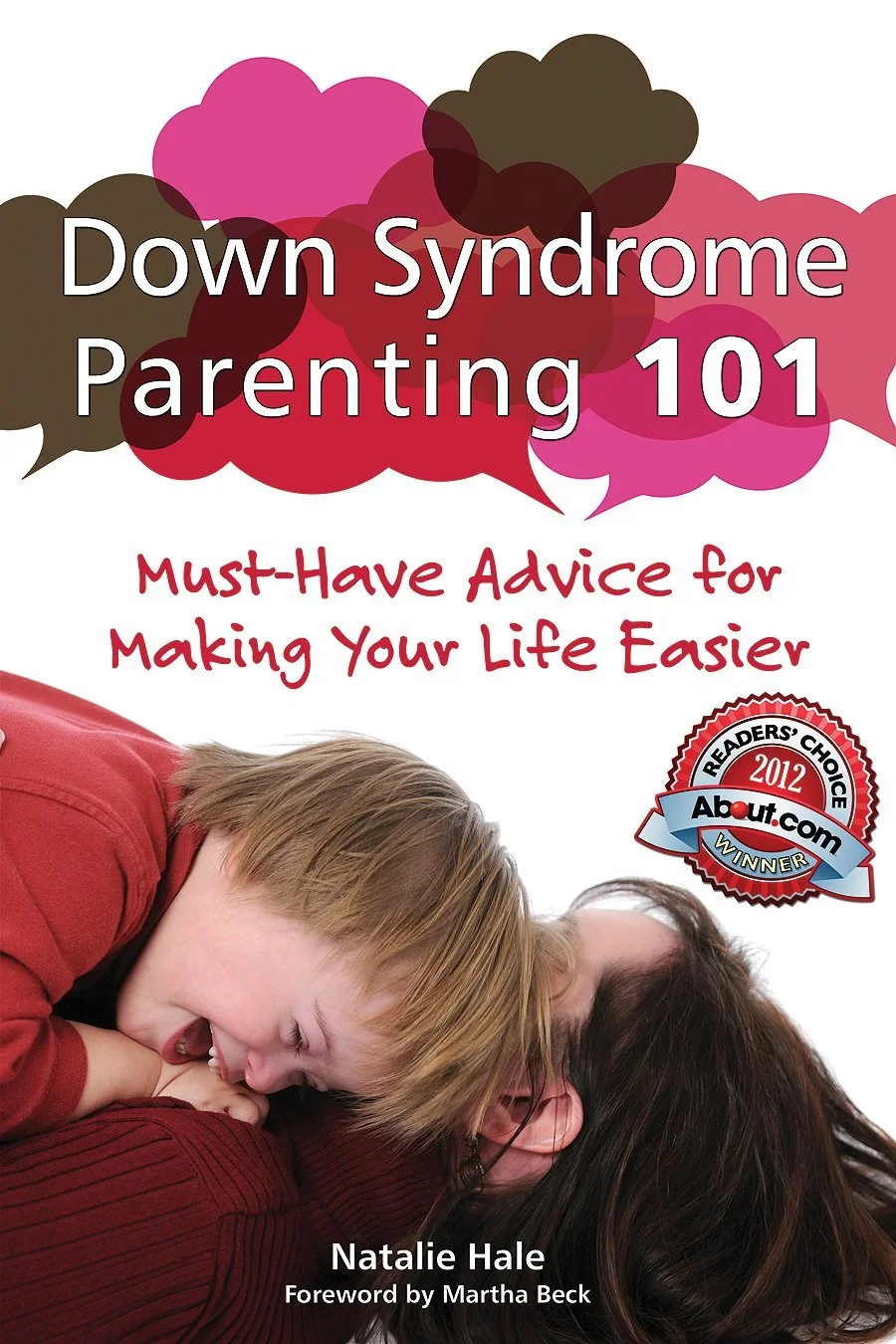
Down Syndrome Parenting 101:
Must-Have Advice for Making Your Life Easier
Natalie Hale will tell you everything the medical professionals won't about parenting a child with Down syndrome. Available at the Burlington Public Library, Halton Hills Public Library, Milton Public Library.
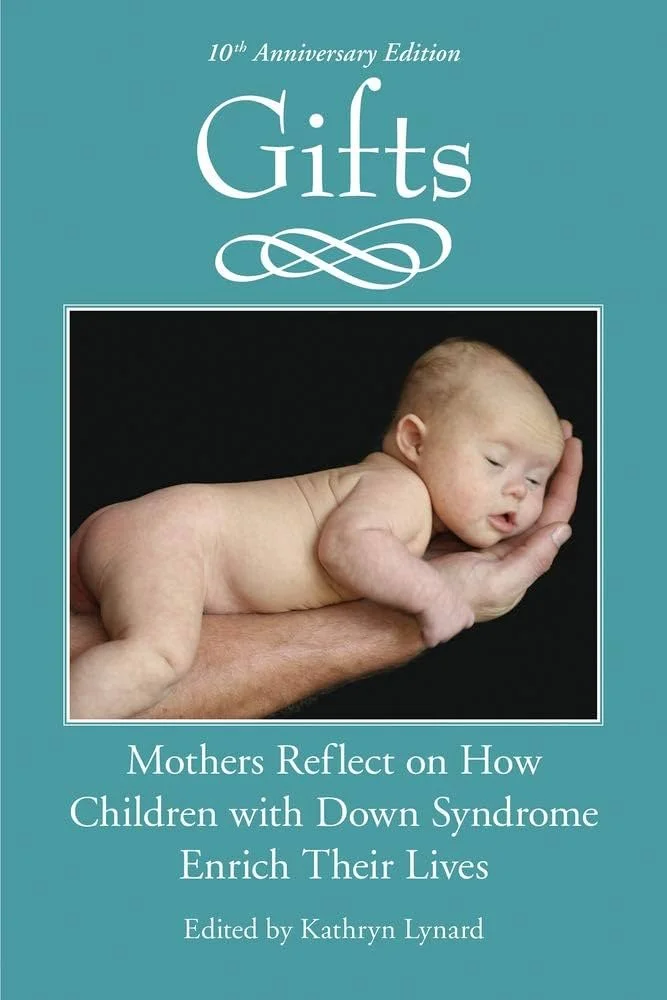
Gifts:
Mothers Reflect on How Children with Down Syndrome Enrich Their Lives
Gifts is a beautiful collection of stories by mothers sharing their journey with others. Find Gifts or its sequel, Gifts 2, at: Burlington Public Library, Oakville Public Library, Halton Hills Public Library, Milton Public Library.
Affiliations with the Canadian Down Syndrome Society and the Down Syndrome Association of Ontario
HDSA is very fortunate to be one of a handful of local Down syndrome associations that has strong links to both its federal and provincial groups, the Canadian Down Syndrome Society and the Down Syndrome Association of Ontario.

Newsletters
Early Years
Newsletter
For families with babies, toddlers, and preschoolers. Get early support resources, local programs, playgroups, and upcoming events.
Elementary
Newsletter
For school-age kids and caregivers. Updates on programs, social events, learning supports, and community resources in Halton.
High-school
Newsletter
For teens and caregivers. Transition planning resources, social programs, skill-building opportunities, and community events.
Graduate
Newsletter
For adults and families focused on life after school. Job and life skills opportunities, social meetups, resources, and local supports.
General
Newsletter
For everyone who wants to stay connected. HDSA updates, events, fundraising, volunteer opportunities, and community highlights.

Support & Information
-
If you’re here, you’re likely looking to connect with the Down syndrome community in the Halton Region. You may haWhat is Down Syndrome?
According to the Canadian Down Syndrome Society, Down syndrome is a “naturally occurring chromosomal arrangement that has always existed and is universal across racial, gender, and social-economic lines.”
Whatever brings you here, you’re not alone. HDSA is a volunteer-powered community of families who understand this journey. We’re here to share practical resources, answer questions, and help you find connection through programs, events, and peer support.
Reach out anytime so we can learn what you need and connect you with the right support. We look forward to hearing from you!
289-878-2165
office@haltondownsyndrome.com -
Item descriptionThe Genetics of Down Syndrome: What makes our friends so special.
Usually, people have 46 chromosomes. They receive 23 from their mother and 23 from their father.
People with Down syndrome have 3 copies of the 21st chromosome. That is why Down syndrome is also called Trisomy 21 and World Down Syndrome Day is March 21st (3/21).;Read more at https://en.wikipedia.org/wiki/Down_syndrome
-
Talking About Down Syndrome
Language changes over time, and the way we talk about Down syndrome has evolved. Here’s a simple guide for speaking respectfully:
• In Canada, the correct term is “Down syndrome” (without the apostrophe or “s”), though some other countries may say “Down’s syndrome.”
• Always put the person first: say “a person with Down syndrome” rather than “a Down syndrome child” or “a Down’s child.”
• A person has Down syndrome—they are not “suffering from” or “afflicted with” it.
• Terms like “mental retardation” are outdated and considered offensive. Instead, use “intellectual disability” or, for younger children, “developmental delay” if appropriate.
• Avoid old, offensive words like “mongoloid.”
Remember: a person is more than any condition, and Down syndrome is just one part of who they are.
-
Support for Young Children
When your child is diagnosed with Down syndrome, families have access to a variety of services in the Halton Region. It can be a bit confusing to navigate this system, and so the following information is designed to get you on the right track. Below you'll find some of the important agencies in Halton and when families should contact them. Please don't hesitate to contact us if you would like further information about these services.
Halton Infant and Child Development (Halton Region)
The Infant and Child Development services provide early intervention for children with special needs. Often both a Developmental Consultant and an Occupational Therapist will be assigned to your child to ensure your baby is getting the best start. They will provide a home visit and you will be offered services that will meet your families needs.When to call: As soon as possible
Phone: 905-825-6000Explain your situation and request an appointment with the Infant Development Program.
Halton Support Services
Halton Support Services will help you get set up with all those forms for grants, government funding, etc. A representative will come to your home to help figure all this out whenever you’re ready.When to call: During your child's frist year
Phone: 1-800-600-2013ErinOakKids – Halton Peel Preschool Speech and Language Program
This will be the earliest speech assistance that is available. Sessions will focus on strategies to work with the child on communication skills. Parents can phone and refer their own child, or you can get a doctor to refer you. When you phone, be sure you ask for “Hip-slip” – there are two speech programs at Erin Oak and you might be told your child is too young for speech. Insist on being added to the wait list.When: By the time child is 6 months or whenever you might have a concern about the child's speech. Your child is eligible before December 15th of his/her JK year. There is generally a waiting list.
Phone: 905-855-2690, Select intake
ErinOakKids
Halton Infant and Child Development will work your child until the child is approximately 2 years of age. After this, his/her care will be taken over by ErinOakKids for services such as physiotherapy, speech therapy, occupational therapy, etc. Your Infant Development OT or developmental consultant will complete the necessary paperwork for this transfer which takes 90 days. A doctor’s referral is no longer needed.When: Around 21 months of age
Phone: 905-855-2690, Select intake
Special Needs Play Groups
Stepping Stones: Runs all year long at the Cumberland Early Years Centre on Wednesday mornings from 10:30-11:30 AM; includes a circle time at the end.Where: 710 Cumberland Ave, Burlington
Phone: 905-632-9377
B) HDSA Play Groups: We generally hold these drop-in play groups on the first Sunday of the month, about 6 times per year. Keep an eye on our newsletters or calendar for information about these play groups.
Where: Oak Park Neighbourhood Centre, 2200 Sawgrass Drive, Oakville
-
Government Programs
The Child Disability Benefit is a federal tax benefit awarded monthly to families who have a child with a disability. To access the CDB, families must fill out and submit the Disability Tax Credit Certificate. This form must be certified by a qualified practitioner, e.g. a paediatrician.
Learn MoreRegistered Disability Savings Plan
The RDSP is a tax-assisted savings plan designed to assist individuals with disabilities and their families with long-term savings and future planning.
Learn MoreAssistive Device Program
The ADP is provided by the Ontario Ministry of Health and Long-Term Care to assist families in the purchase of important equipment that will increase the independence of an individual with a disability. Over 8,000 types of equipment are eligible, so please visit the Ministry website for more information.
Learn MoreSpecial Services at Home
This funding assists families who are caring for children with physical or developmental disabilities. Funding can be used for respite or for programs that will help the child's development. The waitlist for this funding is long, so it is best to submit the form as soon as possible. If you require assistance filling out the form, you can phone Halton Support Services at 905-844-7864 or if your child is a client at ErinOakKids, you can receive assistance there.
Halton Support Services
Erin Oak KidsMedical Expenses Deductions
There are circumstances where medical expenses are eligible for tax deductions. A Disability Tax Credit Certificate is required to claim these expenses.
Learn MoreAssistance for Children with Severe Disabilities
Not all children with Down syndrome will be eligible for this funding. Please visit the website for more information about who can apply. -
Easter Seals Incontinence Grant
The Ministry of Health and Long-Term Care provides funding for incontinence supplies (diapers) for children between the ages of 3 and 18. This funding is administered by Easter Seals. Children between the ages of 3 and 6 can receive up to $400 per year, while those between the ages of 6 and 19 can receive up to $900 per year.
Learn MorePresident's Choice Children's Charity
The President's Choice Children's Charity provides financial assistance to families who have children with special needs. Eligibility is income dependent.
Learn More -
Important Disclaimer (Please Read)
HDSA does not provide medical advice, diagnosis, or treatment.
The information and resources shared below are for general educational and informational purposes only and are not intended to replace professional medical guidance.Individuals and families should always consult their qualified healthcare provider regarding medical decisions, treatments, or concerns.
HDSA assumes no responsibility or liability for medical decisions, actions taken, or outcomes resulting from the use of these resources.⸻
About These Resources
Children and adults with Down syndrome can and do lead full, meaningful, and often healthy lives. While some individuals may be at a higher risk for certain health conditions, others may experience health challenges similar to the general population.For families interested in taking a proactive and informed approach to health and wellness, the following trusted resources may serve as a helpful starting point for conversations with their healthcare team.
⸻
Medical Care & Clinical Guidelines
Health Supervision for Children & Adolescents with Down Syndrome (2022)
American Academy of Pediatrics (updated clinical guidance)
https://publications.aap.org/pediatrics/article/149/5/e2022057010/186778/Health-Supervision-for-Children-and-AdolescentsGLOBAL Medical Care Guidelines for Adults with Down Syndrome
https://www.globaldownsyndrome.org/medical-care-guidelines-for-adults/Advocate Medical Group – Adult Down Syndrome Center
Website and clinical resources
https://adscresources.advocatehealth.com/⸻
Medical Research & Ongoing Studies
Global Down Syndrome Foundation – Medical Care & Researchhttps://www.globaldownsyndrome.org/research-medical-care/
⸻
Trusted Experts & Organizations (Social Media & Updates)
Adult Down Syndrome Center (Advocate Health)
Facebook page with updates, webinars, and educational posts
https://www.facebook.com/search/top?q=adult%20down%20syndrome%20center
Global Down Syndrome Foundation
Facebook updates on research and advocacy
https://www.facebook.com/search/top?q=global%20down%20syndrome%20foundation
Dr. Brian Skotko
Physician, researcher, and advocate
https://www.facebook.com/brian.skotko
⸻
Beyond Diagnosis & Disability
CanChild Centre for Childhood Disability Research
Video exploring strengths-based perspectives
⸻
Recommended Books & Reading Materials
Available through Halton Public Libraries (Burlington, Halton Hills, Milton, Oakville)
https://opl.bibliocommons.com/v2/record/S47C357322
Clinical Guidance Report for Physicians
Professional care guidance for children with Down syndrome. https://www.healthychildren.org/English/Pages/ErrorPage.aspx?requestUrl=https://www.healthychildren.org/English/ages-stages/conditions/Pages/Down-Syndrome-Clinical-Guidelines.aspx
The Guide to Good Health for Teens & Adults with Down Syndrome
https://www.amazon.ca/Guide-Good-Health-Teens-Adults/dp/097255105X
Mental Wellness in Adults with Down Syndrome
https://www.amazon.ca/Mental-Wellness-Adults-Down-Syndrome/dp/0972551157
⸻
Helpful Videos & Media
Down Syndrome Resource Foundation (Canada)
YouTube channel with videos and podcasts
https://www.youtube.com/@DSRFCANADA
• What Is Down Syndrome?
https://www.youtube.com/watch?v=LXE5RhQpRHs
• Speech and Language Challenges
https://www.youtube.com/watch?v=jR5DWHTnHEc
• Mental Health and Wellbeing Tips
https://www.youtube.com/watch?v=G0y_X7S6cVY
• Positive Behaviour Support Strategies
https://www.youtube.com/watch?v=Yp9gkGHV4q8
These resources are meant for families and individuals' empowerment and self-advocacy for optimal health surveillance which is sometimes overlooked in our strained healthcare systems.
⸻
Canadian Resources
Canadian Down Syndrome Society (CDSS)
Unified Voices Documentary (Canadian lived experiences)
https://cdss.ca/unified-voices
CDSS YouTube Channel
https://www.youtube.com/@CDSSCanada
⸻
Kid-Friendly Resources
Down Syndrome Care – Kids Corner
Interactive videos for children and siblings
https://downsyndromecare.ca/kids-corner/
⸻
Final Reminder & Disclaimer
These resources are provided for education and awareness only.
They are not a substitute for individualized medical care or professional advice.
Families are encouraged to review any information with their healthcare team.
HDSA is not responsible for medical decisions, treatments, or outcomes resulting from the use of these resources
-
You know, I never knew my heart could open up so wide. Dominic does that for me.
-Grandmother of an 18-month-old boy with Down syndromeThe birth of a grandchild is one of the most highly anticipated times of a grandparent's life. A diagnosis of Down syndrome, either prenatally or upon the birth of the child, is generally a great shock and can be very overwhelming for all family members. Grandparents must not only become reconciled with their own emotions but are also very concerned about both the newborn and their children, who are now the parents of a child with special needs. If you are the grandparent of a new child with Down syndrome, we would like to provide you with some basics about this condition and help you get your bearings on this new road.
Down Syndrome Today
There is a good chance that when you were growing up, many people with Down syndrome were institutionalized, and it was believed they could not learn. Thankfully, times have changed dramatically, and the future is much brighter for individuals born with Down syndrome. With early intervention, people with Down syndrome are graduating from high school, working at various jobs, living independently, and just going about their lives like anyone else. Upon hearing the diagnosis, many families want to know how "severe" their children are, but there is really no way of telling how your grandchild will fare in the long run. As with any child, your grandchild's strengths and weaknesses will emerge over time. Keep in mind that despite having an extra chromosome, all of the child's genes come from the same father and mother. This means his or her appearance, personality, talents, and other traits will resemble those of you and your family.
What you may be feeling
There will probably be a lot of different emotions that you will experience over the next few weeks. Some grandparents have reported feeling concern, worry, anger, grief, confusion, numbness, to name a few. One grandparent said that the time after the diagnosis was like being in a "tunnel, where you cannot see your way initially. If you keep walking, you do come to the other end." People will come out of this tunnel at different times, but what you should know is that it is completely normal to go through this process, and most importantly, it gets better with time.
In the words of one grandparent, "A parent wants the best for their children, and their children's children. It is hard to raise a child. How hard was it going to be to raise a child with a disability? How tough was it going to be for the child?"
There are common fears, but fortunately your child and your grandchild will not have to go through this alone. In Halton, your grandchild will quickly be referred to the Infant and Child Development Program and will be assigned a Developmental Consultant and an Occupational Therapist who will visit the family at home. This team will assist the parents in making sure your grandchild has the right start and will provide activities and resources to benefit your grandchild's development. Halton Down Syndrome Association also offers a great deal of support for new parents and for individuals with Down syndrome as they get older. It may take a while until the parents are ready, but these organizations are waiting for them when the time is right.
Although your thoughts may be full of everything the child cannot do in the beginning, keep in mind that Down syndrome will not limit the child from sharing in many of the activities grandparents enjoy doing with their grandchildren. Your grandchild will thrive under your love and attention and will be happy to bake cookies with you, play games, go to special events, read stories, sing songs and join you in all the things you would do with any grandchild.
Terminology
As you know, language evolves, and this is certainly true of the terminology used to describe individuals with Down syndrome. Here is a crash course on how to talk about your grandchild's condition:
- Some countries use the term "Down's Syndrome", but the correct usage in Canada is Down syndrome, without the "s".
- Remember the child is a person first, so you would say you have a baby with Down syndrome, not a "Down's child" or "Down syndrome baby".
- The child is not "suffering from" or "afflicted with" Down syndrome; the child has Down syndrome.
- The term "mental retardation" is still used in the U.S., but is falling out of favour in Canada. Other terms you can use are intellectual disability or developmental delay.
- The term "mongoloid" is considered taboo and is highly offensive.
How you can help
Most grandparents just want to be there for their children, but it might be hard to know what to do. Here are a few ways you might be able to help after the baby arrives:
1. Do what you would do upon the arrival of any baby. Make a casserole; babysit older siblings; or pick out an adorable outfit.
2. Try to be sensitive to your child's feelings. Ask your child how they would like to share the news. Some might want to prepare an email in their own words to be sent to family and friends. Others might like you to deliver the news for them. Be patient with your child; he or she will be experiencing a rollercoaster of emotions, so try to be understanding if the new parents are upset.
3. Be as positive as you can. You may not feel too upbeat in the beginning, but try not to be negative in the presence of your child. Find aspects about the baby to praise - her sweet little fingers, his beautiful hair, her lovely skin. Although it may be hard to feel positive in the beginning, remember that negative words may be hurtful to your child and will be remembered.
4. Show your acceptance of the new baby. Offer to hold and cuddle the baby and try to express that the baby is a welcome new family member. New parents will wonder how society will accept this child, and it is very important for them to know that this will not be an issue within their own family. Encourage other extended family members to follow suit.
5. Offer empathy, but not pity. There is no doubt about it - raising a child with special needs has its challenges and it helps if you have an understanding of what is in store. However, few parents want to be pitied. They love their children regardless of their diagnosis and it can be difficult when people feel sorry for them for having that child.
Down the road
Once the parents and baby are home and begin this new journey, there are other ways you might be able to help your children and your grandchild. Here are some suggestions:
1. The new parents will be faced with many medical appointments. If the appointments are at a large unfamiliar hospital, you might offer to go with them. Sometimes it helps to have another set of ears at the appointment or someone to take notes. The amount of information can be overwhelming in the beginning, and if one parent has to go to all the appointments alone, he or she might welcome some company. Once again, if there are other siblings, babysitters would be appreciated as older children often do not really enjoy these appointments.
2. Offer to do some research for the new parents. Perhaps you could find out if there are any parent groups offered in the area, or you could look into future planning. There is a lot of information to sift through, but if you choose one tangible issue to investigate, this could be very helpful.
3. Be prepared for ups and downs along the way. The family will have good days and then there will be harder ones, for example, if surgery is involved or if other medical needs are discovered. Keep in touch with the family and express interest in updates.
4. Find out what you can about this condition. An excellent resource to start with is Babies with Down Syndrome: a New Parents' Guide edited by Susan Skallerup. The most recent edition of this book is the Third Edition, which was published in 2008. The more you know, the better you will be able to understand your children and your grandchild.
5. Take one day at a time. Don't worry what lies ahead 20 years from now. Try to separate your worries from what the reality is. Some children do have to go through scary medical procedures, but many of these surgeries are very routine nowadays. Focus on that lovely little baby. You will have that special bond with your grandchild that you hoped for and his or her success will bring you great joy. Many families with children who have Down syndrome describe the child as a "gift", and before too long, you will discover why.
World Down Syndrome
Day Resources
Please help us raise awareness for World Down Syndrome Day (WDSD) with these fun and meaningful resources! We hope you’ll find them helpful and share them widely within your community.
We’ve combined everything into one complete resource package suitable for both Elementary and High School age groups, along with a large list of additional resources you may also find helpful.
To make it even more exciting, we’re also hosting a World Down Syndrome Day Contest — and we’d love for your school, class, or group to participate!
Please feel free to share these resources and the contest link with:
Teachers
School communities
Special Education Resource Teachers
After school programs
Sports Teams
Social Clubs
Dance Groups
Play Groups
Family & Friends
Social Media
Religious Groups
And more!
Let’s make this World Down Syndrome Day a visible, inclusive, and meaningful celebration across our community!
If you have any questions, please email Ashley at:
office@haltondownsyndrome.com